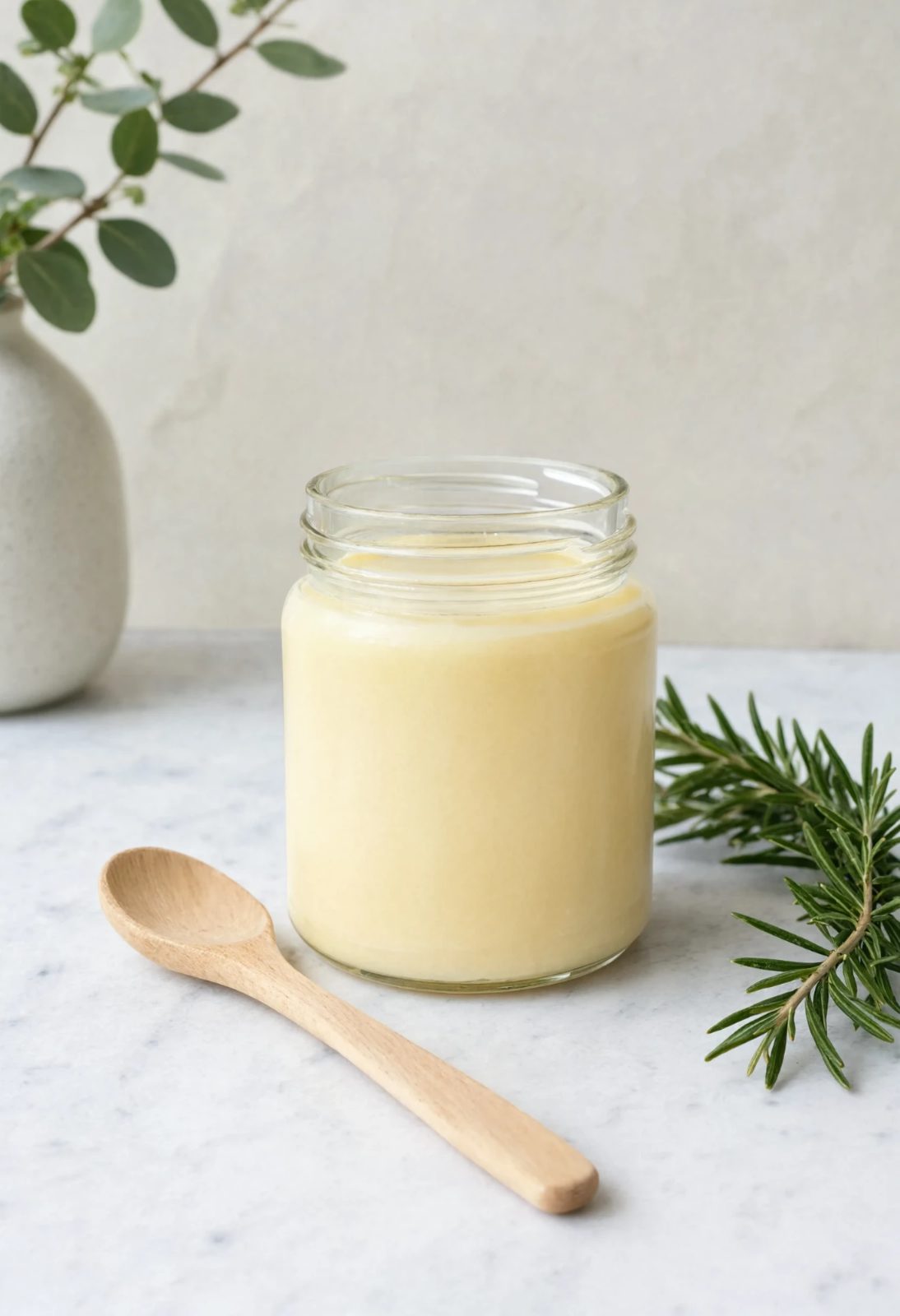
For a long time, beef tallow sat among the foods we were told to fear. It was saturated, it came from an animal, and 1990s nutrition advice put it near the top of a pyramid we were meant to eat least of. That advice has shifted a great deal, and the fat our great-grandmothers cooked with without a second thought is worth another look.
The Pyramid Has Turned
The food pyramid most of us grew up with placed fats and red meat at the narrow tip, to be used sparingly, while grains formed the wide base. Today that picture looks very different. Current thinking puts quality meat and vegetables at the centre of a nourishing diet. The case linking saturated animal fat to heart disease also looks much less certain than the headlines of thirty years ago suggested.
A cow offers us a remarkable range of whole foods: milk, cream, butter, collagen-rich cuts and rendered fat, each of which has fed people for thousands of years. Tallow, the rendered fat from beef, is the least celebrated of these and probably the most unfairly sidelined.
A cow offers us a remarkable range of whole foods. Tallow is the least celebrated of them, and probably the most unfairly sidelined.Mr Wellness
What Tallow Actually Gives You
In our house, collecting tallow is simply part of cooking. We slow-cook beef often, partly because the long, low heat draws collagen out of the connective tissue into the liquid, and partly because the flavour is wonderful. Once the liquid has cooled, the fat sits on top and we skim it off.
That fat is tallow, and rather than throw it away, we use it as our main cooking fat. It also carries the fat-soluble vitamins A, D, E and K2, which the body is thought to absorb more readily from animal sources than from plant ones.
Tallow also contains butyrate, a short-chain fat that the cells lining the gut use directly as fuel, and it is valued for its part in a healthy gut environment. The flavour it gives roasted vegetables or a pan of eggs is something the kids notice straight away, and they need no convincing.
Why It Holds Up in a Hot Pan
Most cooking oils on the supermarket shelf are high in polyunsaturated fats, which are chemically fragile. When you heat them past a certain point they begin to oxidise, or break down, and the compounds they release are not something we want in our food. Beef tallow is almost entirely saturated and monounsaturated fat, which keeps it stable at the high temperatures that searing and roasting call for.
Think of the difference between a wax candle and a paper one: one holds its form under heat and the other does not. That stability is why tallow has become our everyday fat for the hot oven and the heavy pan, and the flavour it gives roasted vegetables and seared meat is something a refined seed oil cannot match.
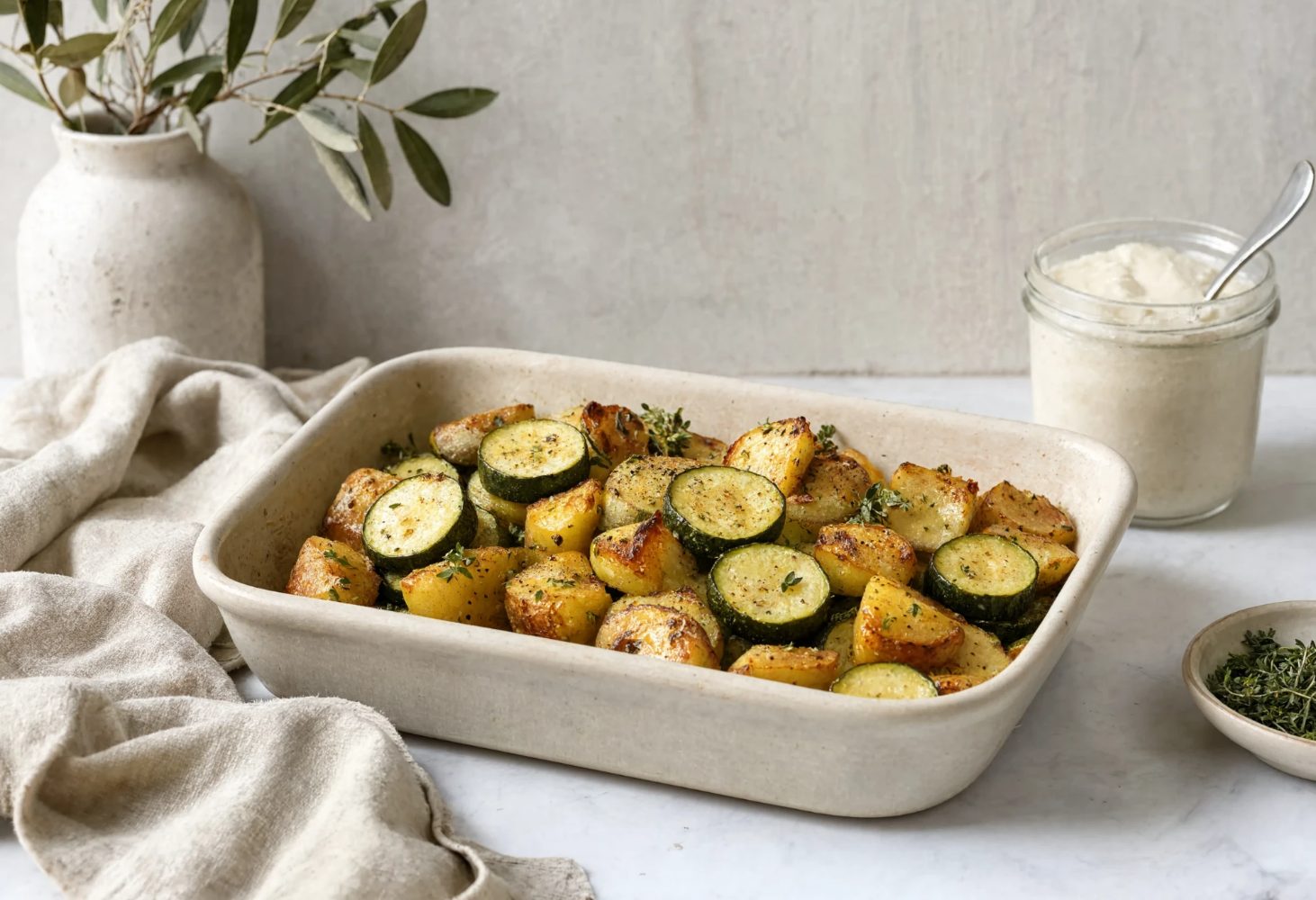
When we render a larger batch, we strain the fat through a fine sieve and pour it into jars, where it cools to a lovely pale ivory. We have largely moved away from seed oils at home, though to be honest, mayonnaise is one we have not yet solved. Tallow has also found its way beyond our kitchen, and it is now our family's everyday moisturiser, which we write about in why we swapped our moisturiser for beef tallow.
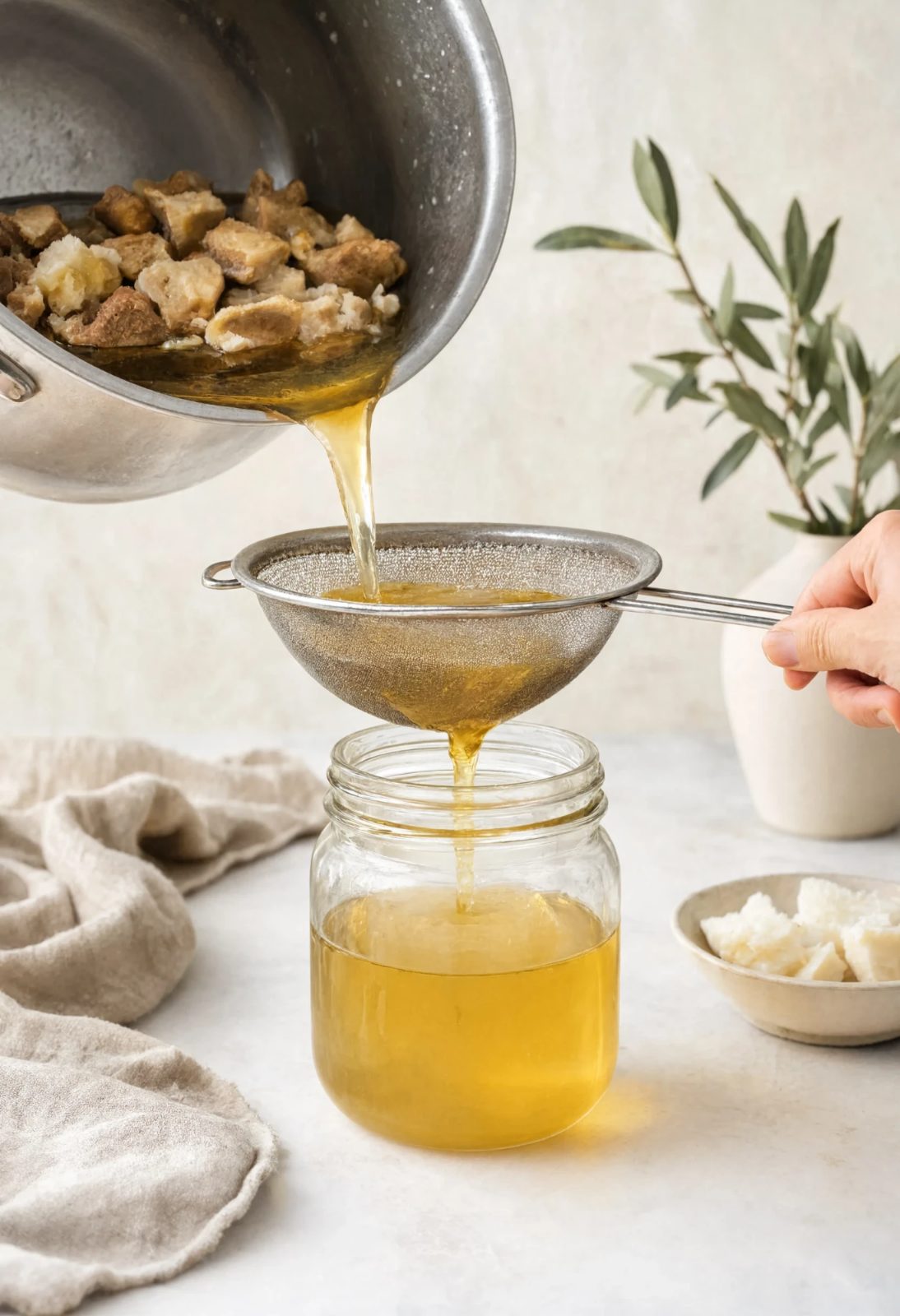
One thing to do today: if you have a slow cooker, put a bone-in beef cut on before the morning school run with water, a splash of apple cider vinegar and whatever vegetables you have. When it is done, let it cool and skim the fat from the top. Store it in a glass jar in the fridge and use it in place of your usual cooking oil this week.