There is no shortcut to a long and healthy life, but there is a clear path. Decades of research, from clinical trials to long-lived communities around the world, keep pointing to the same handful of habits done consistently. We have read the evidence and tested these habits ourselves, and here is our honest summary of what matters most for families who want more energy, fewer sick days and a longer, better life.
1. Eat Real Food
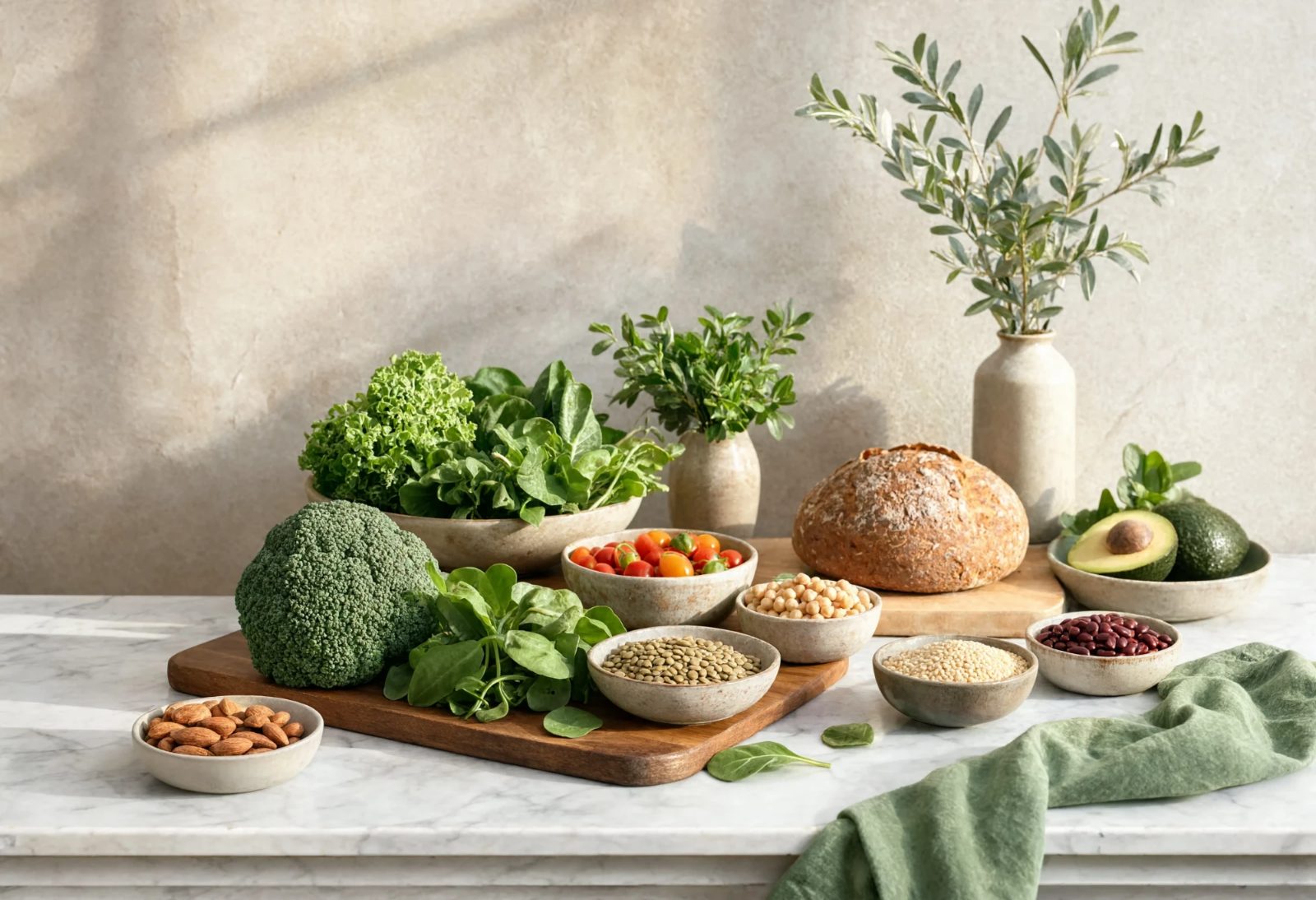
The most consistent finding in nutrition research is also the simplest: people who eat whole, minimally processed food tend to live longer and get sick less often. A 30-year study of more than 120,000 people linked eating patterns built on whole grains, vegetables, fruit, nuts and legumes with a lower risk of dying from any cause [3]. The longest-lived communities, from Sardinia to Okinawa to the Blue Zones of Costa Rica, share little culturally except that they eat real food grown close to home [2].
For our family, that means cooking from whole ingredients most of the time and treating packaged food as the exception. If a label lists more than five ingredients, we tend to put it back.
2. Drink Clean Water Every Day
Drinking enough water, regularly, underpins almost every system in the body, from temperature control and digestion to clear thinking and everyday repair. The case for clean, filtered water each day is well accepted, and it is easy to overlook in favour of more complicated wellness ideas.
We keep a large glass water jug on the bench as a visual reminder and aim for water to be the children's first drink of choice. Clean, filtered water, sipped through the day, is one of the simplest things you can do for your family's health.

3. Sleep Deeply and Consistently
Sleep is far more than passive rest. In deep sleep the body repairs tissue, stores memories, balances hormones and clears waste from the brain, a bit like a night shift tidying up after the day. A large review found that both too little and too much sleep were associated with a higher risk of dying from any cause [7]. Steady, good-quality sleep is one of the true basics of a long life.
In our house, bedtime is a fixed boundary rather than a moving target, for the children and for us. A dark, cool room and no screens in the last hour before bed have made a noticeable difference to how deeply everyone sleeps.

4. Get Daily Sunlight
Sunlight on the skin prompts the body to make vitamin D, which does far more than look after bones. Research has linked healthy vitamin D levels with a lower risk of heart disease, several cancers, autoimmune conditions and dying from any cause [8].
Morning light also helps set the body's internal clock, which influences sleep, mood and appetite. We try to get everyone outside in the morning, even if it is only a short walk around the block before school. Ten to twenty minutes of sun on the skin earlier in the day, before the strongest UV hours, is a sensible habit for most Australian families.
5. Move Every Day
Daily movement is one of the most researched signs of a longer life, and even modest, steady activity has been associated with a much lower risk of dying from any cause [9]. The benefit seems to grow with how regularly you move rather than how hard.
You do not need a gym membership, because walking, gardening, swimming and kicking a ball around the backyard with the children all count. The key word is daily, since consistency builds over the years in a way that occasional bursts of hard effort rarely match.
The communities with the longest lifespans share very little culturally, except that they eat real food, move every day, sleep well and stay closely connected to the people around them.Mr Wellness
6. Build and Maintain Muscle
Muscle is an underrated marker of long-term health, especially as we age. A study in The American Journal of Medicine found that older adults with more muscle had a lower risk of dying than those with less, regardless of other health factors [10]. Muscle helps keep metabolism healthy, protects the joints, helps the body handle blood sugar and helps us recover from illness and injury.
We include some strength work for the whole family, from bodyweight exercises at home to carrying, climbing and lifting in everyday play. You do not need to train like an athlete, just give your muscles a regular reason to stay strong.
7. Lower Your Everyday Chemical Load
Everyday chemicals include pesticides on food, heavy metals in cookware and containers, and hormone disruptors in personal care and cleaning products. Long-term exposure has been linked with a higher risk of cancer, heart disease and metabolic problems [11]. The research does not suggest that occasional exposure is a disaster, but it does suggest the daily load adds up over a lifetime.
Small, steady changes help. We switched to glass and stainless-steel food storage, chose fragrance-free personal care products and wash fruit and vegetables carefully. There is no need to change everything at once, so start with the areas of highest exposure and improve them gradually.
8. Manage Stress as Seriously as Diet
Long-term stress has been linked with faster ageing in our cells and a higher risk of heart disease, immune problems and early death [12]. Most families know stress is not ideal, but few treat it as seriously as eating well or exercising.
Habits that genuinely calm the body's stress response include regular movement, time in nature, enough sleep and honest conversation about what is weighing on you. For us, the most helpful change was protecting part of the evening when the phone goes away and the day winds down without screens.
9. Nurture Your Relationships
A large review covering more than 300,000 people found that those with strong social relationships had a greater chance of survival than those who were socially isolated [13]. The size of that link was comparable to well-known physical health risks. Close, honest relationships appear to soften stress, encourage healthy habits and give us a sense of belonging that reaches the body as well as the mind.
For families, eating together, making time for friends without devices and looking after the relationships that matter are not soft extras. They are habits the evidence supports.

10. Live With a Sense of Purpose
A study in Psychosomatic Medicine found that a strong sense of purpose was associated with a lower risk of dying from any cause, including heart-related events, in midlife and older adults [14]. Purpose does not have to be a grand mission. For many people, it is the everyday meaning found in raising children, helping their community, practising a skill or caring for something beyond themselves.
We see this as the thread that ties the other nine together. When you know why you are looking after your health, the habits become easier to keep and the life you are building feels worth the effort.
None of these ten habits is new, and none needs expensive products or extreme routines. Across different populations and study designs, research keeps showing that the basics, done consistently, have a big influence on how long and how well we live. We are not aiming for perfection in our house, but we are aiming for all ten, most of the time, as a baseline. That is where lasting health is built.
Sources
- 2.The Benefits of Plant-Based Nutrition: Longevity and Quality of Life , American College of Lifestyle Medicine
- 3.Diet Patterns That Can Boost Longevity, Cut Chronic Disease , American Medical Association
- 7.Sleep Duration and All-Cause Mortality: A Systematic Review and Meta-Analysis of Prospective Studies , SLEEP Journal / PubMed
- 8.Sunlight and Vitamin D: Necessary for Public Health , Journal of the American College of Nutrition / PMC
- 9.Physical Activity and Longevity: How Much Is Enough? , CMAJ (Canadian Medical Association Journal) / PubMed
- 10.Muscle Mass Index as a Predictor of Longevity in Older Adults , The American Journal of Medicine / PubMed
- 11.Environmental Toxins and Chronic Disease: An Overview , International Journal of Environmental Research and Public Health / PMC
- 12.Stress, Chronic Disease, and Longevity: Psychosocial Factors in Health , Annual Review of Public Health / PubMed
- 13.Social Relationships and Mortality Risk: A Meta-Analytic Review , PLOS Medicine / PubMed
- 14.Purpose in Life as a Predictor of Mortality Across Adulthood , Psychosomatic Medicine / PubMed