There is a moment, usually around the third week of winter, when the kids are indoors more and everyone looks a little pale. The energy in the house has quietly dropped. We noticed it ourselves and started looking into whether light, particularly the wavelengths we are not getting enough of, might have something real to offer. What we found was more grounded in evidence than we expected.
What Red Light Actually Does Inside the Body
Red and near-infrared light sit at the end of the visible spectrum, and unlike most light they can pass through the skin and reach the cells underneath. There they meet the mitochondria, which you can think of as each cell's power station. These wavelengths appear to encourage the mitochondria to make more ATP, the molecule the body uses as its main source of energy.
Researchers believe that more available energy may give cells more capacity to repair and work well. This is not a fringe idea. Studies in peer-reviewed journals have reported measurable improvements in skin repair, muscle recovery, markers of inflammation and even sleep quality with regular use.
The wavelengths with the strongest results in that research sit between 630 and 850 nanometres. That is the range most quality home panels are designed to deliver.


When these wavelengths reach the mitochondria, they appear to encourage the cell's own energy production, which researchers believe may give it more capacity to repair.Mr Wellness
Using It at Home Without Overcomplicating It
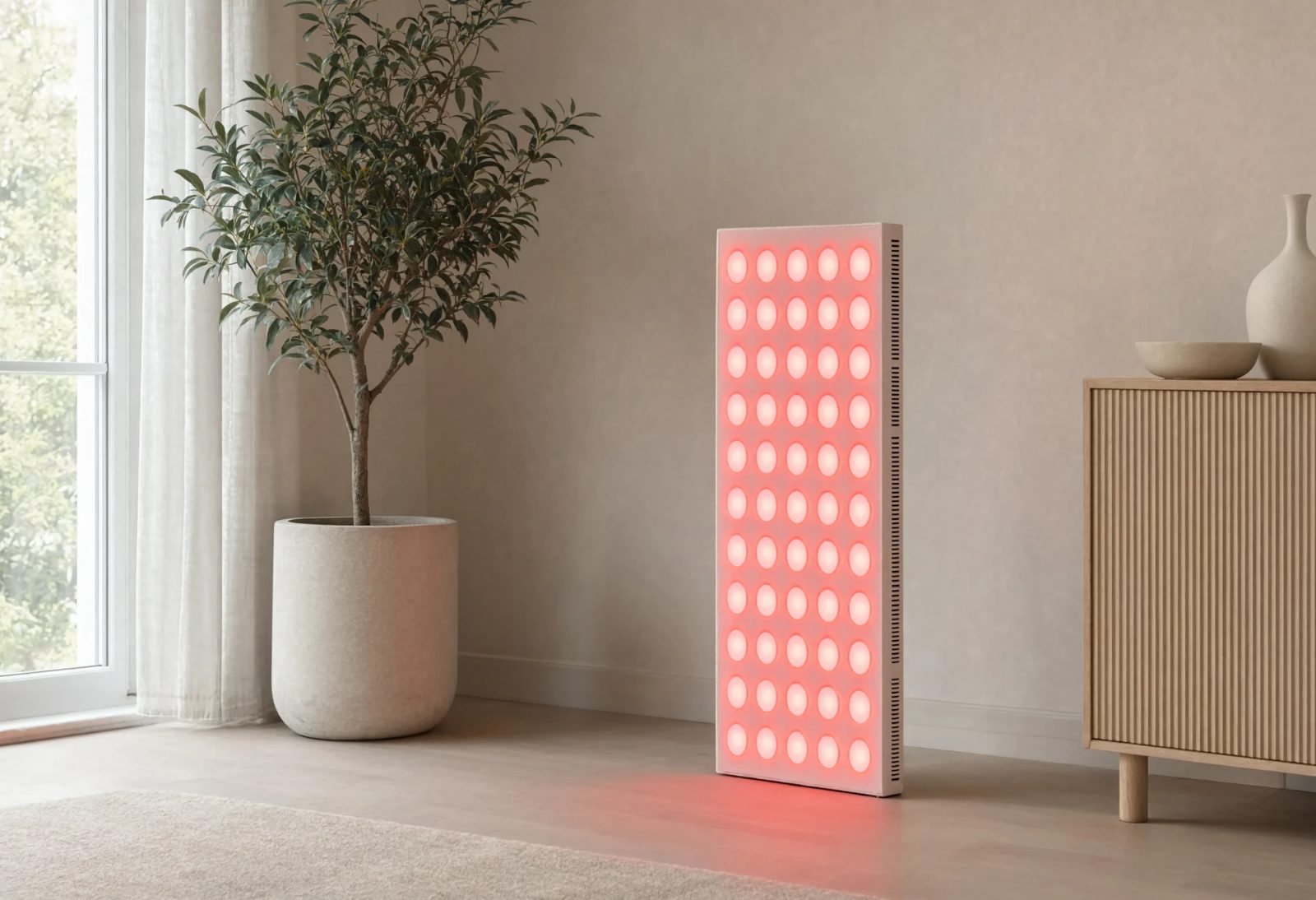
Home panels have become much cheaper and much better over the last few years, which makes this a practical question rather than a theoretical one. A panel that covers the torso is enough for most people starting out.
The routine that appears most often in the research is a session of ten to twenty minutes in the morning or early afternoon. Sit roughly fifteen to thirty centimetres from the panel.
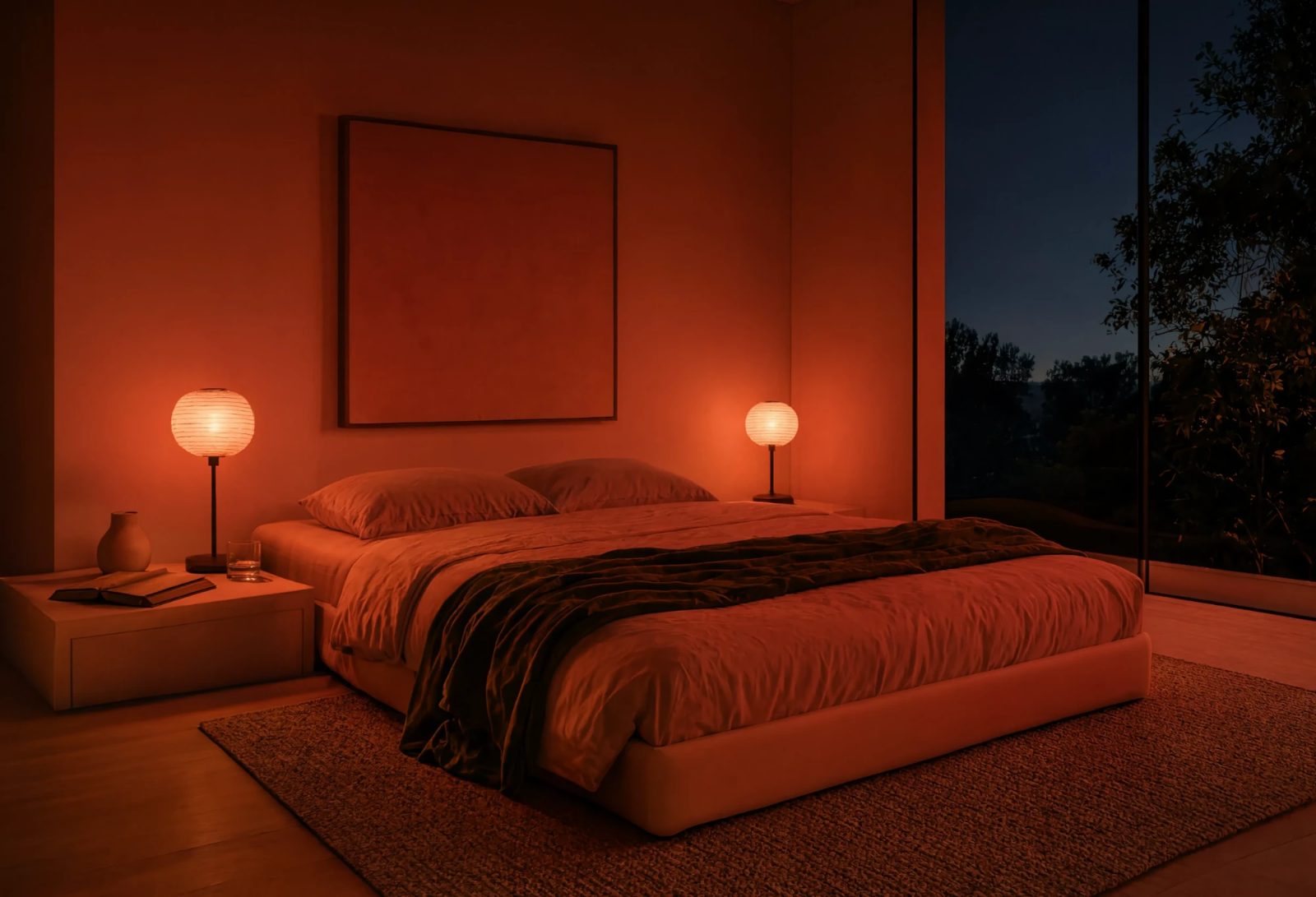
We keep ours in the kitchen near a window, and using it has become as ordinary as making breakfast. The one thing worth watching is timing. Red light in the evening is generally fine. In some people, though, bright near-infrared light very late at night may interfere with melatonin, the hormone that helps us fall asleep.
For anyone who puts sleep first, morning sessions are the safer default.
One thing to do today: spend ten minutes checking the output details of any panel you are considering. Look for one that gives off light in the 630 to 850 nanometre range and has a low EMF rating. In our experience, that one detail is what separates the panels worth buying from the ones that give off light but little else.