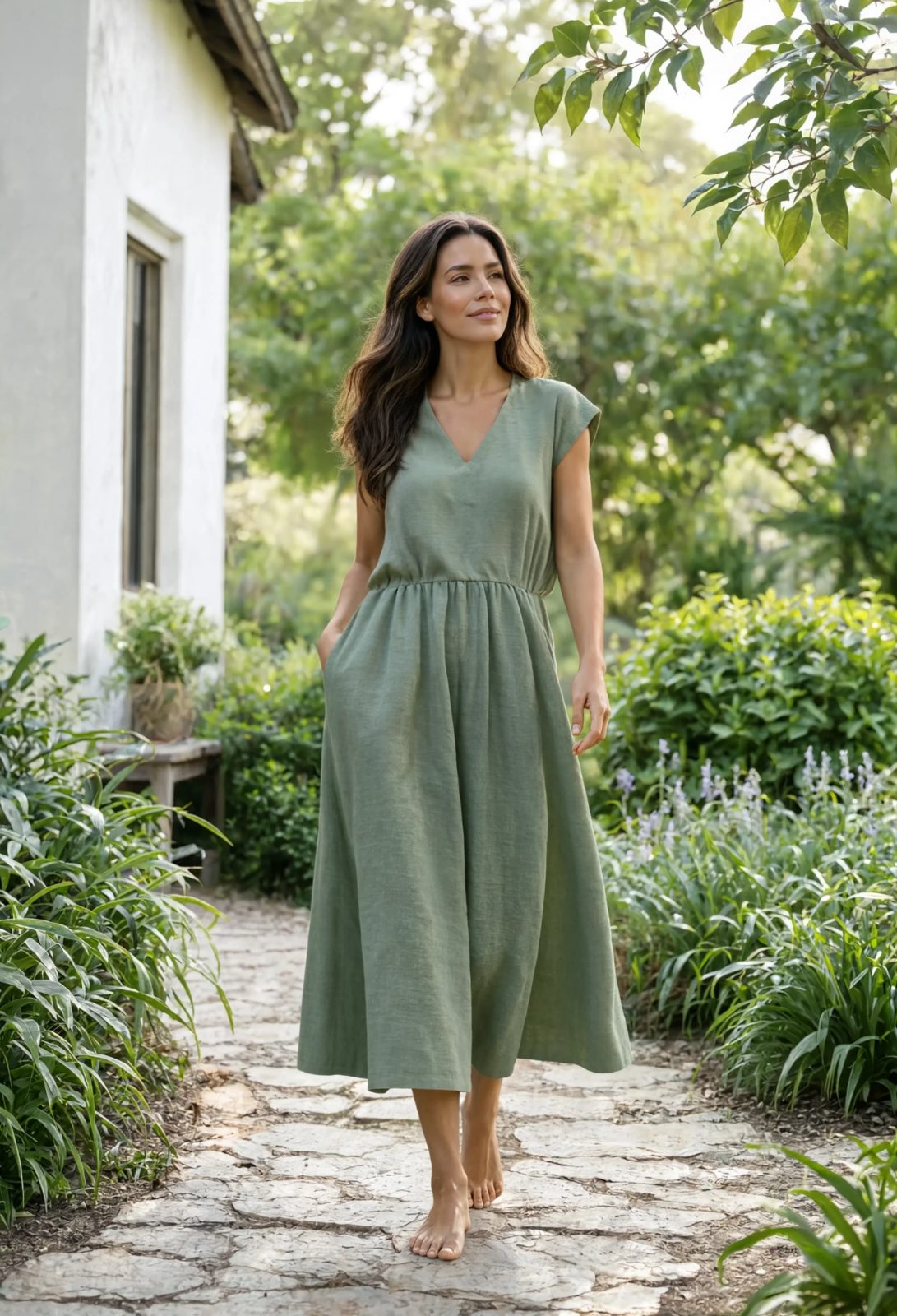
Most of us have spent decades in heavily cushioned shoes, and our feet have quietly adapted to them, often not for the better. When we started exploring barefoot movement at home, curiosity turned into a real shift in how we think about the foundation our bodies stand on.
The Foot Was Built to Feel the Ground
The human foot has 26 bones, 33 joints and more than a hundred muscles, tendons and ligaments, and all of that detail is there for a reason. When a bare foot meets uneven ground, those parts work together to read the surface and adjust our posture from the ankle up through the hip and spine. A thick-soled shoe muffles much of that signal, the way a heavy glove would dull the feel of something delicate in your hand.
Research from Harvard's evolutionary biology group, led by Daniel Lieberman, looked at people who usually run barefoot. It found they tend to land on the middle or front of the foot rather than striking hard on the heel. That landing spreads the impact more gradually and reduces the sharp forces that travel up the leg with each stride.
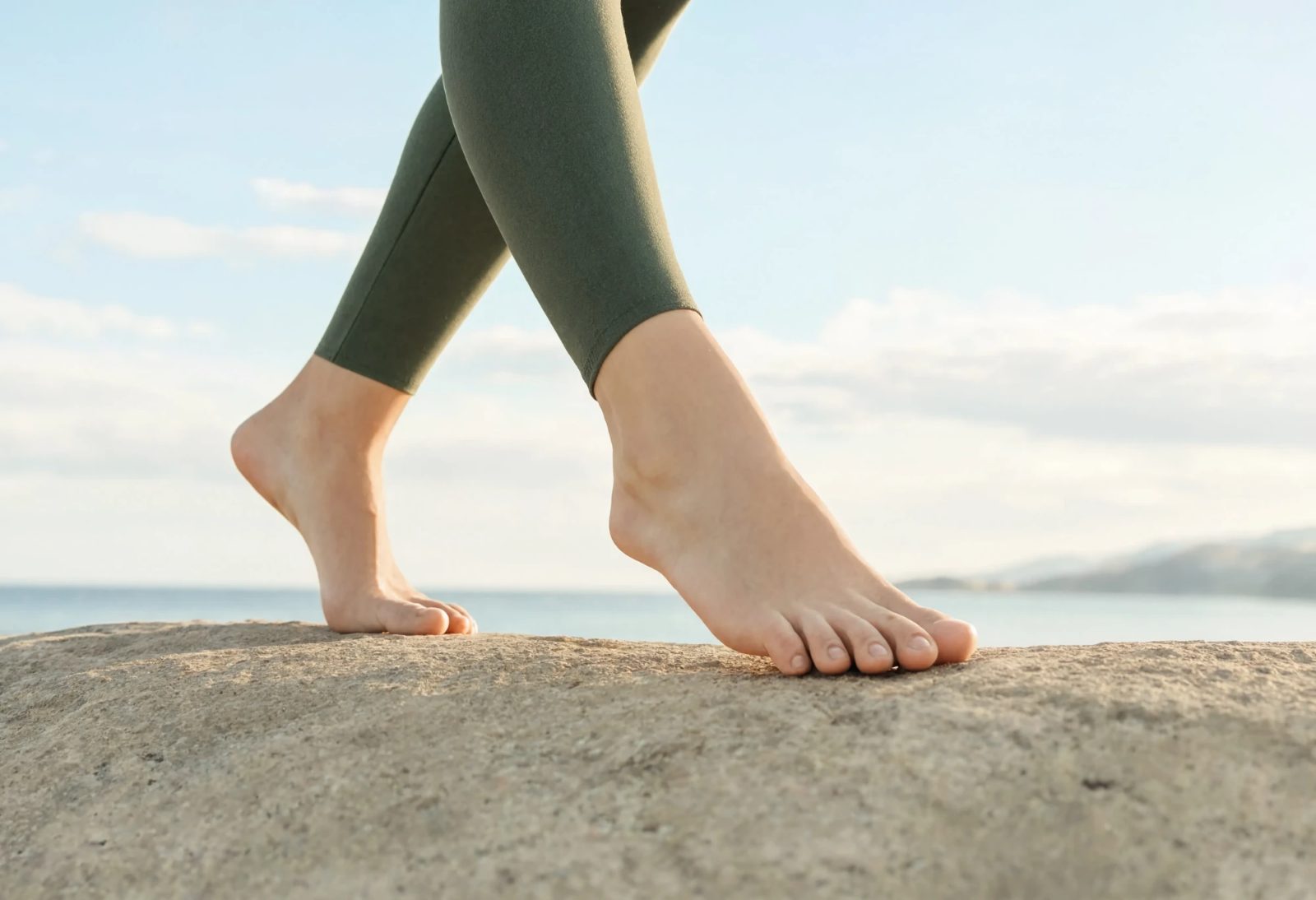
The foot has more than a hundred moving parts so that it can read and respond to the ground beneath us, and cushioning that conversation comes at a cost.Mrs Wellness
Rebuilding Strength From the Ground Up
Most adults have never deliberately trained their feet, and the small muscles that sit entirely inside the foot tend to weaken a great deal when they spend all day in a supportive shoe. Studies measuring these muscles have found meaningful increases in size after just a few months of barefoot or minimalist movement. That means more of the arch's support comes from the body itself rather than a piece of foam.
We began with short barefoot walks on grass and built up slowly, because feet genuinely take time to adapt. Rushing can bring the kind of soreness that puts people off altogether. The principle we hold onto is simple: treat your feet like any other undertrained muscle group, load them gradually, give them time to recover, and they will respond.
One thing to do today: take a ten-minute walk in bare feet on grass or another firm, safe surface. Notice how your foot naturally rolls from heel to toe without a shoe guiding it.